

In today’s fast-paced digital world, sleep therapy is emerging as one of the most effective ways to restore balance in both body and mind. Millions of people worldwide struggle with sleepless nights, restless minds, and morning fatigue not realizing that proper rest is the foundation of physical health, mental clarity, and emotional stability.
According to the World Health Organization (WHO), more than 62% of adults report not getting enough quality sleep each night. This “global sleep crisis” is quietly affecting productivity, relationships, and long-term health. The good news? Science now shows that improving sleep doesn’t always require pills or complex treatments sometimes, the right sleep therapy can reset your entire life rhythm.
What Is Sleep Therapy?
Sleep therapy refers to a combination of techniques, habits, and environmental changes designed to help you fall asleep faster and stay asleep longer.
It’s not about sleeping more hours it’s about sleeping better.
Experts define it as a personalized approach that blends behavioral therapy, relaxation exercises, sleep hygiene, and sometimes light or sound therapy. In many cases, it’s used as an alternative to medication for insomnia or sleep disorders.
For example, the American Academy of Sleep Medicine found that behavioral sleep therapy is just as effective as sleeping pills but without the side effects. That means it’s safer and more sustainable for long-term use.
Why We’re Sleeping Less Than Ever
It’s no secret that modern lifestyles have disrupted our natural sleep cycles. From scrolling through phones late at night to working late under artificial light, our internal clocks known as the circadian rhythm are constantly under attack.
Here are some common reasons why we’re losing sleep:
-
Screen exposure: Blue light from phones and laptops blocks melatonin, the sleep hormone.
-
Caffeine overload: Even coffee consumed six hours before bedtime can delay sleep onset.
-
Chronic stress: High cortisol levels make it hard for the brain to relax.
-
Irregular routines: Going to bed at different times confuses the body’s natural rhythm.
Sleep therapy works by identifying these triggers and creating personalized solutions that restore healthy rest patterns.
Types of Sleep Therapy You Can Try
There’s no one-size-fits-all approach. The goal of sleep therapy is to find what works for your unique body and mind. Here are a few methods backed by science and real success stories.
1. Cognitive Behavioral Therapy for Insomnia (CBT-I)
This is the gold standard in modern sleep therapy.
CBT-I focuses on replacing negative thoughts about sleep (“I’ll never fall asleep”) with positive, calming beliefs. It also includes techniques like stimulus control, where you only use your bed for sleep and intimacy not for watching TV or worrying.
A Harvard Medical School study showed that CBT-I improved sleep quality by 70% in participants within just eight weeks.
2. Relaxation & Mindfulness Techniques
Meditation, deep breathing, and progressive muscle relaxation are now key components of sleep therapy.
For instance, apps like Calm and Headspace guide users through pre-sleep meditations that slow heart rate and quiet the mind.
Try this before bed:
-
Inhale deeply for 4 seconds
-
Hold for 7 seconds
-
Exhale slowly for 8 seconds
Repeat this cycle five times. You’ll feel your body shift into a calmer state almost immediately.
3. Light & Sound Therapy
Sometimes, sleep therapy involves controlling your environment.
Soft, warm lighting before bed tells your brain it’s time to wind down. Conversely, bright white light in the morning helps reset your internal clock.
White noise machines or gentle nature sounds can also block out disturbing background noise, especially in urban areas.
4. Sleep Hygiene & Routine Reset
Many people underestimate the power of routine. Setting a consistent bedtime, avoiding heavy meals after 8 PM, and keeping your room cool (around 18°C / 65°F) are all crucial elements of sleep therapy.
Real example: Matthew Walker, author of Why We Sleep, emphasizes that consistent sleep schedules improve not only rest but also memory, focus, and creativity.
Diet & Nutrition That Supports Sleep
What you eat has a direct impact on how well you sleep.
In sleep therapy, nutrition plays a key supporting role.
Here are some foods that promote better rest:
-
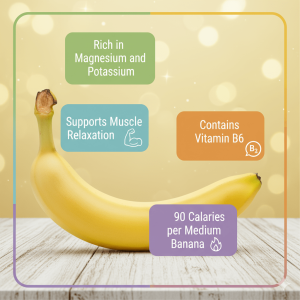
Bananas: High in magnesium and potassium, they help relax muscles.
-
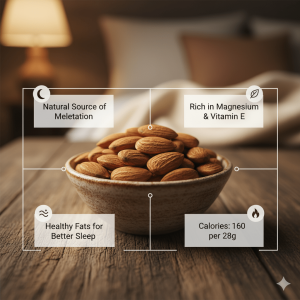
Almonds: Contain natural melatonin.
-
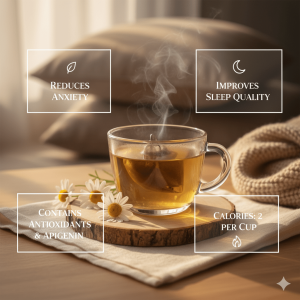
Chamomile tea: Reduces anxiety and improves sleep quality.
-
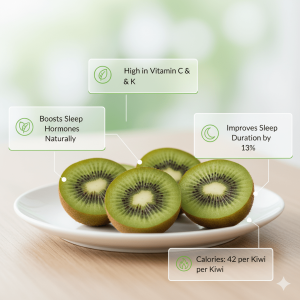
Kiwi: A 2011 study in Asia Pacific Journal of Clinical Nutrition found that people who ate two kiwis before bed slept 13% longer and fell asleep 35% faster.
Avoid caffeine, sugary snacks, and spicy foods in the evening they can trigger heartburn and keep your system alert.
The Role of Technology in Sleep Therapy
Ironically, technology is both the cause and cure of poor sleep.
Wearable devices like the Fitbit, Apple Watch, and Oura Ring are now used in modern sleep therapy to track sleep stages, breathing patterns, and nighttime movement. These insights help people understand when and why their sleep is disrupted.
For example, the Oura Ring provides a “sleep score” that measures rest quality and recovery. It can detect stress spikes or caffeine effects, helping users make smarter bedtime adjustments.
But remember: the goal isn’t to obsess over numbers it’s to use data as a gentle guide toward better habits.
Real-Life Example: A Success Story
Take Sara, a 35-year-old graphic designer from Toronto.
For years, she struggled with insomnia due to work stress and late-night screen use. Instead of turning to medication, she began a sleep therapy program that combined mindfulness, journaling, and a strict no-screen rule after 9 PM.
Within three weeks, she reported falling asleep in under 20 minutes and waking up refreshed.
Her story mirrors thousands of others proving that with commitment and the right strategies, sleep therapy can truly transform lives.
The Morning After: Why Better Sleep Changes Everything
Good sleep isn’t a luxury it’s a biological necessity.
When you follow proper sleep therapy, you don’t just wake up less tired; you experience better focus, balanced mood, and stronger immunity.
In fact, research from the National Institutes of Health (NIH) shows that people who sleep 7-8 hours per night have a 40% lower risk of heart disease and perform 20% better in memory tasks.
Transitioning from sleep deprivation to healthy rest can feel like switching from gray-scale to color.
Your energy, confidence, and creativity come alive again.
Final Thoughts: Invest in Your Sleep, Invest in Yourself
At its core, sleep therapy isn’t just about fixing sleep it’s about healing your entire life.
When you prioritize rest, you think clearer, feel stronger, and live longer. It’s the most natural form of self-care that requires no prescription just consistency and patience.
So tonight, turn off your screens, brew a cup of chamomile tea, and give your body the peace it deserves.
Because the best version of you begins with a good night’s sleep.

Such a helpful article to improve my Sleeping Schedule. Great Work 👍
Wonderful article highlighting natural and effective ways to restore restful sleep! 🌙💤