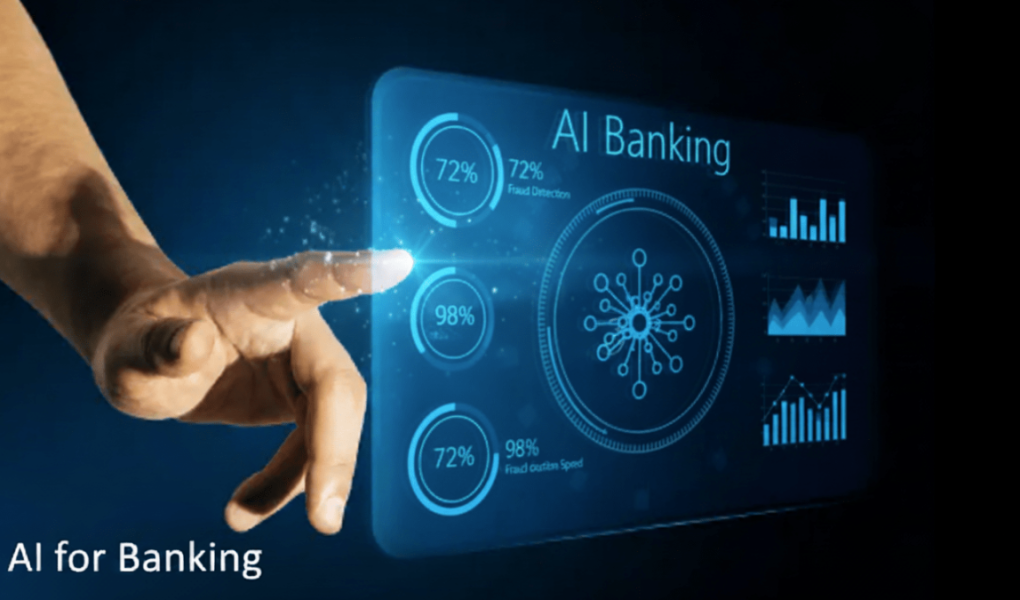
AI technology for digital banking is changing the way financial institutions serve their customers and manage operations. From personalized customer experiences to advanced fraud detection, artificial intelligence is reshaping how banks operate in the digital age. Today’s consumers expect speed, security, and convenience and AI is the key that unlocks all three.
The Rise of AI in Modern Banking
In recent years, digital banking has shifted from a luxury to a necessity. Customers now prefer mobile apps and online portals over traditional branch visits. However, this shift also brought challenges such as cybersecurity threats, data overload, and the demand for instant service.
To overcome these challenges, banks have turned to AI-driven technologies that automate processes, enhance decision-making, and improve customer satisfaction. Moreover, AI enables banks to predict customer needs and offer smarter financial solutions.
How AI Is Revolutionizing Customer Service
One of the most visible impacts of AI in digital banking is in customer service. Chatbots and virtual assistants have become a normal part of online banking platforms. They provide instant responses, guide users through transactions, and resolve issues without human intervention.
For example, AI-powered chatbots can answer balance inquiries, schedule payments, or even help customers block lost cards within seconds. In addition, these bots learn from every interaction, making them smarter and more accurate over time.
Therefore, banks are now saving time and costs while maintaining 24/7 customer support a feature that was once impossible to achieve through traditional systems.
Enhancing Security and Fraud Detection
Security is one of the top priorities in the digital banking world. Cybercriminals are constantly developing new methods to exploit system weaknesses. However, AI technology offers advanced tools that make financial systems far more secure.
AI algorithms can detect unusual spending patterns, identify fake transactions, and alert customers instantly. For instance, if a card is suddenly used in another country, the AI system immediately flags the activity. This proactive protection helps prevent millions of dollars in fraud each year.
Moreover, AI’s machine learning models continuously analyze large sets of transaction data. They learn to identify risks faster than human analysts ever could. As a result, AI technology for digital banking doesn’t just react to threats it prevents them.
Personalized Financial Experiences for Customers
Another powerful application of AI in digital banking is personalization. Banks now use AI to understand customer behavior and preferences. By analyzing spending habits, income patterns, and savings goals, AI systems can recommend products that suit individual needs.
For example, if a customer frequently travels, AI can suggest travel insurance or currency exchange offers. Similarly, if someone consistently spends on groceries, the system might recommend cashback cards for supermarkets.
This personalized experience strengthens customer relationships and encourages loyalty. Therefore, AI is not just improving banking it’s making it more human.
AI in Risk Management and Credit Scoring
Traditional credit scoring systems often rely on limited financial data. Many people, especially those without a strong credit history, struggle to get approved for loans. AI solves this problem by analyzing a wider range of data points.
For instance, it can evaluate utility payments, online purchase history, and even social media activity to assess risk more accurately. Consequently, banks can make fairer lending decisions while expanding access to credit.
In addition, AI models predict potential loan defaults by identifying risky behavior early. This allows banks to act before losses occur. Therefore, AI technology for digital banking is essential in managing financial risks effectively.
Improving Operational Efficiency
AI also plays a major role behind the scenes. It automates repetitive tasks such as data entry, document verification, and compliance reporting. As a result, employees can focus on strategic work rather than routine paperwork.
In addition, AI-driven analytics tools help managers track performance, customer satisfaction, and profit trends. These insights lead to faster decision-making and more efficient operations.
For example, AI can instantly identify branches with high customer wait times or detect bottlenecks in online processes. Consequently, banks can resolve issues before they affect customer experience.
AI-Powered Data Analytics in Digital Banking
Data is the backbone of digital banking. Every transaction, login, and query generates information. However, without AI, analyzing such massive data would be impossible.
AI systems can process billions of data points in real time to uncover trends and patterns. Banks then use these insights to develop better products, detect risks, and predict customer behavior.
For example, predictive analytics can forecast loan demand, investment opportunities, or even economic shifts. Moreover, these systems continuously learn, improving accuracy over time. Therefore, AI technology for digital banking helps institutions stay one step ahead in a competitive market.
The Role of AI in Compliance and Regulation
Financial institutions must follow strict regulatory rules to avoid penalties. Manual compliance checks are time-consuming and prone to errors. However, AI simplifies this process by automatically reviewing transactions and ensuring they meet legal standards.
For example, AI systems can monitor money-laundering risks by analyzing suspicious transfers. They also generate compliance reports in real time, reducing the workload on human auditors.
Therefore, banks not only save time but also maintain transparency and trust with regulators.
The Future of AI in Digital Banking
The future of AI technology for digital banking looks incredibly promising. With advancements in natural language processing, voice recognition, and predictive analytics, banks will become even smarter.
Customers will soon experience AI-driven services that understand emotions, predict needs, and offer solutions before a problem even occurs. For instance, future banking assistants might recommend savings strategies when they detect overspending trends.
Moreover, technologies like blockchain, combined with AI, will make financial systems more secure and transparent. The combination of these innovations will redefine how we think about money and finance.
Challenges and Ethical Concerns
Despite its benefits, AI adoption in banking comes with challenges. One major concern is data privacy. Banks handle sensitive customer information, and misuse or leaks can damage trust.
In addition, AI systems depend on data accuracy. If data is biased, the decisions made by AI could also be unfair. Therefore, it’s important for institutions to maintain transparency and follow ethical AI guidelines.
Moreover, some employees fear job loss due to automation. However, most experts believe AI will create new roles that require creativity and critical thinking rather than replace human workers entirely.
How Banks Can Successfully Implement AI
For banks looking to adopt AI effectively, a strategic approach is necessary.
- Start small: Begin with automating simple tasks like customer inquiries.
- Use reliable data: Ensure the data is accurate and updated regularly.
- Train employees: Staff should understand how AI tools function.
- Ensure compliance: Always meet regulatory and privacy standards.
- Monitor results: Continuously evaluate performance and make improvements.
By following these steps, banks can integrate AI smoothly and gain long-term benefits.
Conclusion: The Power of AI in Financial Transformation
In conclusion, AI technology for digital banking is not just a trend it’s a revolution transforming the entire financial landscape. From security and efficiency to personalization and predictive analytics, AI empowers banks to deliver smarter and safer experiences for their customers.
As the technology continues to evolve, the line between digital convenience and human connection will become thinner. Those institutions that embrace AI today will lead the financial world tomorrow.
Therefore, the future of digital banking lies in intelligent, data-driven systems that adapt, learn, and grow just like the customers they serve.