The intricate web of social issues within our education system has a direct effect on student achievement, teacher performance, and the overall well-being of our communities. These challenges aren’t just random occurrences; they’re systemic problems that create significant obstacles to learning for countless students. From unequal funding to bullying and mental health struggles, these factors deeply influence the educational journey.
That’s why tackling these issues isn’t merely an academic task; it’s a vital step toward fostering a fairer and more effective learning environment for everyone. In this article, we’ll dive into the most urgent social challenges facing our schools.
We’ll investigate the underlying causes of these issues and discuss their wide-ranging impacts. Additionally, we’ll explore possible solutions and the roles that educators, policymakers, and community members can play in fostering positive change.
Grasping these challenges is the first step toward building schools that genuinely support every student.
First up, let’s dive into the issue of Economic Disparities and Funding Gaps.
One of the most stubborn challenges in our education system is the glaring inequality in school funding. Schools located in affluent districts often enjoy a wealth of resources—think cutting-edge technology, seasoned teachers, and a rich variety of extracurricular activities.
On the flip side, schools in low-income neighborhoods frequently grapple with overcrowded classrooms, outdated materials, and a limited curriculum. This funding gap sets off a cycle of disadvantage.
Students in underfunded schools often miss out on the essential tools and support they need to thrive academically. For instance, they might not have access to functioning science labs or enough textbooks for every student.
This inequality not only hampers their current education but also restricts their future opportunities, like getting into college or landing a good job. In the end, it just reinforces existing social inequalities instead of helping to break them down.
Now, let’s talk about The Impact of Poverty on Student Learning.
Poverty plays a huge role in the social issues plaguing our education system. Kids from low-income families often face hurdles that go way beyond the classroom, such as food insecurity, unstable housing, and lack of healthcare. These stressors can make it incredibly tough for a child to concentrate on their studies.
A student who is hungry or anxious about where they’ll sleep at night can’t be expected to shine academically. Plus, these kids might not have a quiet space to tackle their homework or the resources they need to complete assignments. Consequently, the achievement gap between students from different socioeconomic backgrounds keeps widening, turning education into a battleground rather than a pathway to opportunity.
Next, Tackling Bullying and School Violence
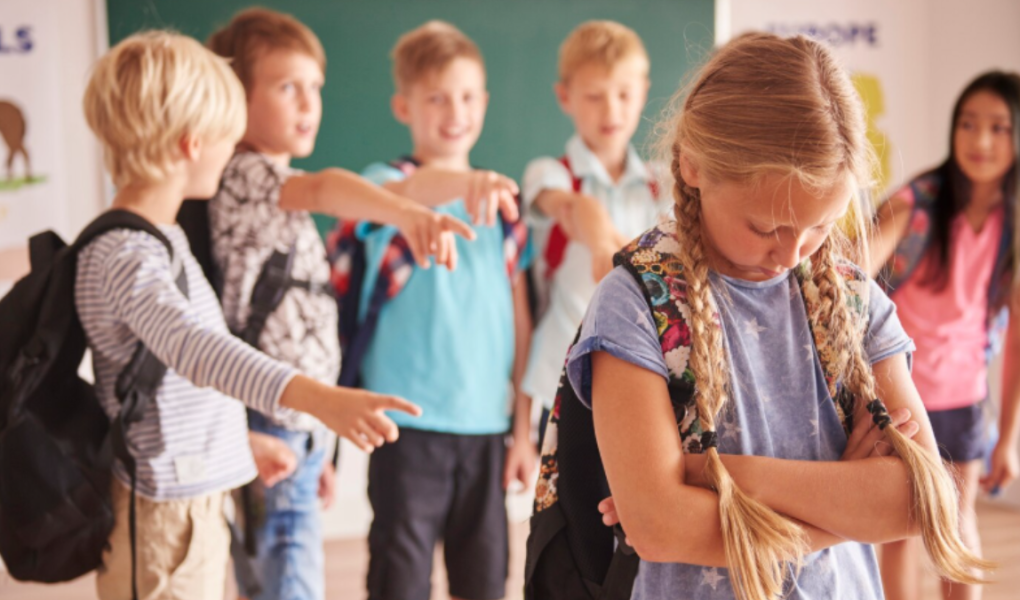
Bullying and violence are still major issues in our education system, creating toxic environments that harm both learning and mental health. This problem includes everything from physical fights and verbal abuse to the more subtle forms of cyberbullying that can invade students’ lives through their devices at home.
The impact of bullying is serious and can last a long time. Victims often deal with anxiety, depression, and a drop in their academic performance. They might become withdrawn and dread going to school, which can lead to chronic absenteeism. For the entire school community, a culture of bullying breaks down trust and safety, making it hard for both students and teachers to feel secure.
Additionally, The Rise of Cyberbullying
The digital age has brought a new and tough challenge to this issue. Cyberbullying allows harassment to happen around the clock, reaching students even in what should be the comfort of their own homes.
The anonymity provided by social media can also encourage bullies, leading to more aggressive and harmful actions. Schools are finding it hard to keep pace with this evolving threat.
For example, monitoring online interactions or holding students accountable for off-campus behavior can be quite challenging. This makes tackling cyberbullying one of the most complicated social issues in today’s education system, requiring fresh strategies that involve parents, tech companies, and the students themselves.
Let’s talk about the pressing issue of student mental health.
Right now, we’re facing a serious crisis in our education system, with students experiencing levels of anxiety, depression, and stress that are truly alarming. The pressure to excel academically, coupled with social challenges and the pervasive influence of social media, is really taking a toll on their mental well-being.
Schools find themselves at the forefront of this crisis, but unfortunately, many are not equipped to handle it effectively. There’s a significant shortage of school counselors, psychologists, and social workers across the country.
As a result, students who are struggling often miss out on the timely support they desperately need, which can lead to poor academic performance, behavioural problems, and, in the worst cases, self-harm.
Now, let’s consider the role schools can play in supporting mental health.
While they can’t tackle this crisis on their own, they have an important part to play. By incorporating social-emotional learning (SEL) into their programs, schools can help students build coping skills, empathy, and resilience. It’s also crucial to foster a school culture where students feel safe and comfortable discussing their mental health.
Additionally, forming partnerships with community mental health providers can bridge the gap for students and their families, connecting them with more intensive services when necessary. Treating mental health as a fundamental aspect of a student’s overall well-being is a vital shift that we need to embrace. Acknowledging this is key to addressing one of the most pressing social issues in our education system.
Finally, we must confront the issues of equity and access.
Deep-rooted racial and cultural inequities remain significant challenges in education. Students of color often encounter systemic biases that can hinder their educational experiences. This can show up as unfair disciplinary actions, a lack of culturally relevant curriculum, and lower expectations from some teachers.
The “school-to-prison pipeline” serves as a glaring example of how zero-tolerance policies can unfairly push minority students out of schools and into the justice system for minor infractions. Likewise, when a curriculum doesn’t reflect the diversity of the student body, it can leave many students feeling overlooked or undervalued, which ultimately harms their engagement and sense of belonging.
Now, let’s talk about the challenges faced by English Language Learners (ELLs) and students with disabilities.
ELL students need specialised instruction and support to build their language skills while keeping up with core academic content. Sadly, many schools don’t have the resources or trained staff to effectively meet these needs.
Similarly, students with disabilities are entitled to a free and appropriate public education, but the reality often falls short. Overcrowded special education programs and a lack of personalised support can hinder these students from reaching their full potential. Ensuring equitable access for these groups remains a significant challenge within the broader context of social issues in the education system.
Finally, let’s discuss proposing solutions and moving forward.
Tackling the deeply rooted social problems in education requires a multifaceted and collaborative approach. There aren’t any quick fixes, but dedicated action on multiple fronts can lead to real progress.
For instance, advocating for policy changes and fairer funding is crucial.
This means pushing for more equitable school funding formulas that direct resources to the schools that need them the most. Investing in high-poverty schools isn’t just about fairness; it’s an investment in the future of our society.
In addition, building comprehensive support systems is crucial for schools.
This means we need to ensure that every child has access to school counsellors, implement strong anti-bullying initiatives, and weave mental health awareness into the fabric of school culture. By focusing on social-emotional learning, we can equip students with vital life skills that will serve them well.
Ultimately, fostering community and family engagement is key.
Strong partnerships between schools, families, and communities make a real difference. When parents take an active role in their children’s education, we see better outcomes. Community organisations can also step in to offer valuable resources, from after-school tutoring to mentorship programs, helping to tackle many of the social challenges within the education system.
In conclusion, we need to take action for a brighter future.
The social issues plaguing our education system are complex and intertwined, but they’re not impossible to overcome. By recognizing the significant effects of economic inequality, bullying, mental health challenges, and systemic bias, we can start breaking down the barriers that hinder so many students from achieving success. This effort demands a long-term commitment from everyone involved in education.
So, let’s not just point out these problems; let’s roll up our sleeves and work towards real solutions. By advocating for fair funding, creating safe and supportive school environments, and ensuring that every student has access to the resources they need to flourish, we can turn our schools into true engines of opportunity. The future of our students and our society depends on it.